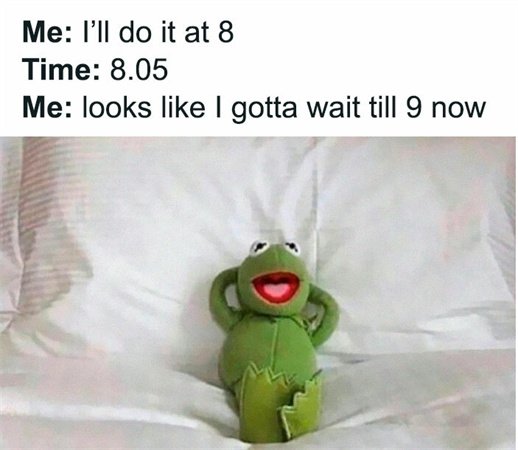
You've done it countless times. You’re scrolling, minding your own business, and then — BAM — a simple image with a few words flashes across your screen, and you can’t help but snort, chuckle, or even burst out laughing. It’s more than just a fleeting amusement; it’s a powerful psychological phenomenon. We're talking about the deep dive into The Psychology of Meme Text: Why We Find It Funny, and it’s a lot more complex and fascinating than a simple cat picture might suggest.
Memes aren't just silly internet jokes; they're the new folklore, a powerful form of digital communication that speaks directly to our brains, triggers our reward systems, and fulfills fundamental human needs for connection, validation, and shared understanding. And at the heart of many of the funniest, most resonant memes? The text.
At a Glance: Why Meme Text Hooks Your Brain
- Instant Reward System: Memes offer quick hits of dopamine through recognition, surprise, and social validation.
- Pattern Recognition Power: Your brain loves finding familiar structures, making meme formats easy to grasp and appreciate.
- Dopamine Loop: The unpredictable nature of memes creates a "variable reward schedule," keeping you scrolling for that next laugh.
- Social Glue: Sharing memes helps you connect with your "tribe," expressing shared values and experiences.
- Emotional Processing: Memes provide a humorous outlet for anxiety, frustration, and other everyday struggles, making you feel less alone.
- Cognitive Ease: Visuals combined with minimal text deliver maximum impact with low mental effort.
- Generational Language: Different text styles and meme formats act as distinct communication markers for various age groups.
The Brain on Memes: How Text Triggers Our Inner Reward System
At its core, humor is a complex cognitive process involving expectation, surprise, and resolution. Memes, especially those with clever text, are masterful at exploiting these mechanisms. When you encounter a meme, your brain's reward system lights up, releasing dopamine – the "feel-good" neurotransmitter. This isn't just a happy accident; it's a finely tuned psychological response.
Instant Gratification & The Dopamine Hit
The text in a meme is often the final punchline, the unexpected twist, or the perfectly articulated relatable thought. This immediate satisfaction—the "aha!" moment of recognition or the sudden burst of laughter—provides instant gratification. Think of it as a cognitive shortcut to pleasure.
Key psychological triggers at play:
- Recognition & Relatability: When meme text articulates an internal thought or experience you thought was unique to you, it's incredibly powerful. "That's so me!" is a common reaction, validating your feelings and experiences. The text turns a shared image into a personal mirror.
- Surprise & Incongruity: Humor often arises from the juxtaposition of two unrelated or unexpected ideas. Meme text frequently capitalizes on this, setting up an expectation with the image, then delivering an absurd or unexpected punchline in the caption. The brain quickly processes the setup and then delights in the unexpected textual payoff.
- Social Validation: Understanding an inside joke conveyed through specific meme text makes you feel part of an in-group. It’s a quick nod of shared cultural literacy.
- Cognitive Ease: The best meme text is concise, clear, and requires minimal mental effort to understand. This low cognitive load means your brain gets to the emotional payoff faster, making the experience more pleasurable. The simpler the text, the quicker the dopamine.
Pattern Recognition: The Familiarity Principle
Our brains are hardwired to recognize patterns. We love predictability, yet we also enjoy clever subversions of it. Meme text leverages this beautifully. Consider the classic "Distracted Boyfriend" meme: the image is the pattern, and the text is the variable content. You instantly recognize the format, which frees up your cognitive resources to focus entirely on the humorous text.
This predictable structure (image + text template) enhances humor by:
- Lowering Cognitive Barrier: You don't have to figure out a new format every time. Your brain says, "Ah, I know this one!"
- Highlighting Creativity: The humor then comes from the ingenious way the text creatively fills or subverts that familiar framework. The best text finds new, unexpected ways to fit into an old mold.
The Neuroscience of Scrolling: Why You Can't Stop Laughing
It's not just the individual meme; it's the entire experience of consuming them that's designed to keep you hooked.
Dopamine and the Endless Scroll Cycle
The internet's infinite scroll is a masterclass in behavioral psychology, and memes are its star performers. Encountering a new meme is an unpredictable event – you don't know what you'll see next, or if it will make you laugh. This creates a "variable reward schedule," a mechanism akin to gambling that keeps your dopamine system firing and can lead to addictive scrolling behavior.
The meme consumption cycle, powered by text, often looks like this:
- Anticipation: What's next? Will it be funny?
- Discovery: You see an image.
- Reward: You read the text, it hits you, and you laugh. Dopamine rush!
- Sharing: You send it to a friend, seeking further social validation.
- Craving: The dopamine fades, and you crave the next hit. Back to scrolling.
The text is often the core of the "reward" here. It's the linguistic twist that makes an otherwise generic image suddenly hilarious.
Mirror Neurons and Emotional Contagion
When you see a meme, especially one that evokes a strong emotional reaction (like laughter or exasperation), your brain's mirror neurons get to work. These specialized neurons fire both when you perform an action and when you observe someone else perform it. In the context of memes, they allow you to "feel" the emotion conveyed, even if it's just implied by the text.
If a meme's text perfectly captures the exasperation of dealing with customer service, your mirror neurons might fire, making you feel a surge of that same frustration, followed by the relief of humor. This shared emotional experience deepens your connection to the content and, crucially, to the person who shared it. It's emotional contagion in a bite-sized, textual package.
More Than Just Jokes: Memes as Social Connectors
Memes are far more than just individual sources of amusement; they are powerful tools for social connection and communication, with text playing a pivotal role in carving out niches and forging bonds.
Modern Tribal Markers: Identifying Your People
Sharing memes, particularly those with niche or abstract text, helps you identify "your people." These inside jokes, often reliant on specific linguistic cues or internet lore, confirm shared experiences, values, and even worldviews. Different meme communities often coalesce around distinct text styles or references, creating unique cultural identities.
Social bonding occurs through:
- Niche Humor (In-Group Identification): Ever seen a highly specific meme text that only people in your profession or hobby would understand? That's tribal marking. It builds immediate rapport and a sense of belonging.
- Relatable Content (Shared Experiences): Text like "Me trying to adult" layered over an image of struggle normalizes universal human experiences, creating solidarity.
- Reaction Memes (Emotional Solidarity): When words fail, a well-chosen reaction meme with concise text can perfectly encapsulate a shared emotional response, like "It is what it is."
- Topical Memes (Current Event Commentary): The rapid creation and sharing of memes with text referencing current events allow groups to collectively process news, voice opinions, and find common ground.
Why We Share: The Motivations Behind Viral Text
Think about why you forward a meme. It's rarely just because it's funny. Deeper psychological motivations drive that "share" button:
- Self-Expression: Meme text often provides the perfect, succinct way to express complex feelings, opinions, or facets of your personality without having to write a long paragraph.
- Social Currency: Sharing a clever or trending meme text makes you look witty, informed, or relatable to your followers. It's a form of digital status.
- Emotional Regulation: Laughter is a powerful coping mechanism. Sharing memes, especially those with text that humorously addresses stress or anxiety, can help regulate emotions, providing a temporary escape or a sense of collective processing.
- Relationship Maintenance: Sending a meme to a friend is a low-effort, high-impact way to say, "I'm thinking of you" or "I know you'll get this."
Sharing often increases during feelings of isolation or stress, acting as a crucial social bridge in the digital age.
Validation and Emotional Processing through Text
Meme text has a unique power to validate everyday experiences, normalizing quirks, struggles, and anxieties. When you see a meme caption like "My brain cells actively fleeing my head during a difficult task," it makes you feel less alone in your struggles.
Memes serve as a collective coping mechanism, helping us process difficult emotions and situations through humor. Common emotional themes often articulated by meme text include:
- Anxiety and Overthinking: "Me overthinking every single interaction I've ever had."
- Work Frustrations: "My email inbox vs. my will to live."
- Relationship Dynamics: "When you're mad but they do something cute."
- Current Events: Using humor to lighten the mood around serious news.
The text in these memes isn't just funny; it’s a form of collective therapy, a way of saying, "We're all in this together."
The Magic of Meme Text: How Word Choice and Formatting Ignite Laughter
While images provide context, it's often the specific linguistic choices, formatting, and even deliberate "mistakes" in meme text that truly elevate the humor.
Visual Communication Power & Cognitive Load
Memes leverage the brain's faster processing of visual information, but they brilliantly combine images with minimal, impactful text. This creates a low cognitive load – you don't have to read much, but you get a high emotional and social payoff. The text has to be punchy, precise, and immediately understandable.
Consider how much impact just a few words can have:
- Brevity: The constraint of short text forces creativity and punchiness.
- Font Choice: The bold, white "Impact" font, synonymous with classic Advice Animals, instantly cues "meme humor." Other fonts carry different connotations, from a whimsical Comic Sans to the starkness of Arial.
- Capitalization: ALL CAPS can convey shouting, excitement, or exasperation, while alternating caps (like in our Spongebob text generator) immediately signals sarcasm or mockery.
- Deliberate Misspellings/Grammar: "Stonks," "Doggo," "I can has cheezburger?" These intentional errors add to the charm and in-group humor, suggesting a playful, informal tone. They're part of the meme's character, not actual mistakes.
Pattern Completion and Subversion
Many meme formats engage your cognitive faculties by setting up patterns and then either completing or cleverly subverting them. This creates a sense of satisfaction or delightful surprise.
- Setup/Punchline: The image is the setup, and the text delivers the punchline. This classic comedic structure is perfectly suited to memes.
- Expectation Violation: Text might start a sentence in a predictable way and then pivot to an absurd or unexpected conclusion. For example, a meme might show something mundane with text like, "My biggest fear is..." followed by "...running out of milk for my cereal." The subversion of a grand fear with a trivial one is what makes it funny.
The precision of meme text, however informal it may appear, is key to its comedic power.
The Digital Echo Chamber: Potential Downsides of Meme Consumption
While memes are mostly positive, it’s important to acknowledge their darker side.
Information Overload & Attention Fragmentation
The constant stream of bite-sized content, heavily reliant on quick-hit text and images, can lead to attention fragmentation. Our brains get used to rapidly processing small chunks of information, potentially making it harder to focus on longer-form material and contributing to shorter attention spans. The immediate reward of a meme means less patience for delayed gratification from deeper reading.
Echo Chambers & Confirmation Bias
Meme text, particularly when expressing opinions, can powerfully reinforce existing beliefs and biases. This can lead to:
- Oversimplification: Complex issues are often reduced to a few lines of text, stripping away nuance.
- Reinforced Stereotypes: Memes can perpetuate harmful stereotypes, even unintentionally, through their text.
- Reduced Empathy: By creating strong in-group/out-group dynamics (often through shared textual references), memes can reduce empathy for those outside the "tribe."
- Decreased Critical Thinking: The rapid consumption and emotional nature of memes can bypass critical analysis. When meme text aligns with your existing views, you're less likely to question its accuracy or implications.
Memes in Culture: Digital Folklore and Generational Voices
Memes aren't just passing fads; they are a significant cultural phenomenon, evolving rapidly and reflecting the collective psychology of different groups.
Digital Folklore: A Real-Time Cultural Barometer
Memes represent a new, real-time form of folklore. They spread globally at lightning speed, constantly evolving, mutating, and adapting to new contexts. They offer fascinating insights into:
- Collective Psychology: What anxieties, joys, and absurdities are we collectively experiencing right now? The memes we share provide a window.
- Cultural Values: What do we find funny, relatable, or worth commenting on? Meme text captures this.
- Linguistic Evolution: Memes introduce new slang, phrases, and textual conventions that seep into everyday language.
Generational Communication: The Text Tells All
Different generations use and interpret meme text distinctly, revealing their unique digital literacies and cultural touchstones.
- Gen Z: Often prefers highly abstract, ironic, or "surreal" humor, frequently found in TikTok video captions or image macros with non-sequitur text. Their humor is fast-paced, context-dependent on current internet culture, and often involves intentionally "weird" or minimalist text.
- Millennials: Gravitate towards classic meme formats (e.g., Advice Animals, Wojak) with nostalgic content or relatable text about adulting, student debt, and 90s/early 2000s references. Their text is often more straightforward and observational.
- Gen X: Might share Facebook-style memes, often featuring recognizable images from 80s/90s pop culture, accompanied by more direct, sometimes cynical, text commentary.
- Boomers: Often share text-heavy images that resemble traditional inspirational quotes or political cartoons, typically sourced from Facebook groups or chain emails. Their "meme text" tends to be longer, more explicit, and less reliant on visual-textual interplay for humor.
Understanding these textual differences is key to understanding intergenerational communication online.
The Future of Laughter: AI, Applications, and Mindful Consumption
Meme psychology is not just academic; it has real-world implications and is constantly evolving.
AI and Immersive Memes: The Next Frontier
The future holds exciting, and perhaps daunting, possibilities:
- AI-Generated Memes: AI is already creating memes, sometimes hilariously, sometimes unsettlingly. As AI improves, it could generate highly personalized and context-aware meme text, creating a continuous stream of tailored humor.
- Immersive VR/AR Meme Experiences: Imagine stepping into a meme, where the text appears in your environment, adding an interactive layer to the humor.
Practical Applications Beyond Just Laughs
The insights from meme psychology can be harnessed for beneficial purposes:
- Education: Teachers can use relatable meme text to increase student engagement, explain complex concepts, or make learning more memorable.
- Marketing: Brands leverage meme psychology to create culturally relevant campaigns, build community around their products, and communicate with younger demographics in an authentic voice.
- Mental Health Therapy: Memes can be a tool for clients to process emotions, articulate difficult feelings, or connect with therapists and support groups. Humor and shared experience are powerful therapeutic aids.
Laughter is Universal: Making Meaningful Connections with Meme Text
Ultimately, the power of meme text lies in its ability to tap into universal human experiences, creating global connections through shared laughter.
Global Language & Universal Themes
Memes often transcend cultural barriers by focusing on universal human experiences: social awkwardness, daily annoyances, existential dread, or triumphs. The brevity and often visual nature allow for quick translation, but it's the underlying human truth captured by the text that resonates globally. They reflect shared psychological patterns that connect us all.
Healthy Consumption: Mindful Scrolling for Your Mind
To truly benefit from the joy and connection memes offer, a mindful approach to consumption is vital:
- Set Time Boundaries: Limit endless scrolling to avoid attention fragmentation.
- Prioritize Quality Over Quantity: Engage with memes that genuinely make you laugh or think, rather than just mindlessly consuming.
- Diversify Sources: Seek out meme communities beyond your immediate echo chamber to broaden your perspective.
- Create Original Content: Engage with meme culture by contributing your own clever text or formats, fostering creativity.
The Therapeutic Value of Humor
The laughter derived from meme text offers tangible health benefits: stress reduction, a boost to the immune system, and an improved mood. In a world that often feels overwhelming, memes provide emotional support and a vital sense of social connection. They remind us that even in our struggles, there's always room for a shared chuckle.
Memes fulfill fundamental human needs for joy, connection, validation, and cultural participation. They bridge ancient social instincts with modern communication technologies, reflecting our timeless desire to laugh, connect, and make sense of the world—one perfectly captioned image at a time.